
In 2026, many authors make outstanding contributions to our journal. Their articles published with us have received very well feedback in the field and stimulate a lot of discussions and new insights among the peers.
Hereby, we would like to highlight some of our outstanding authors, with a brief interview of their thoughts and insights as authors. Allow us to express our heartfelt gratitude for their tremendous effort and valuable contributions to the scientific process.
Outstanding Authors (2026)
Susumu Takeuchi, Nippon Medical School, Japan
Satoshi Ikeda, Kansai Medical University, Japan
Andriy Marusyk, The H. Lee Moffitt Cancer Center, USA
Beatriz Wills Sanin, Universidad de los Andes, Colombia
Pierre-Emmanuel Joubert, The Centre de Recherche des Cordeliers, France
Outstanding Author
Susumu Takeuchi
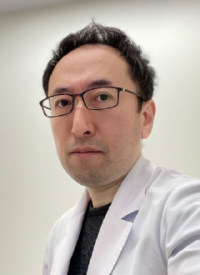
Susumu Takeuchi, MD, PhD, is affiliated with the Department of Pulmonary Medicine and Oncology at the Graduate School of Medicine, Nippon Medical School, where his research focuses on lung cancer care, particularly in patient-centered communication and shared decision-making. He is currently leading a project with the Japanese Lung Cancer Society’s Education and Training Committee to create a new educational system focused on shared decision-making for lung cancer patients. Additionally, he is involved in developing and evaluating communication skills training programs for medical students, with the goal of enhancing both clinical practice and educational outcomes in lung cancer care. In addition, he routinely conducts patient-centered clinical research on novel pharmacotherapies for lung cancer, focusing on their applicability in elderly patients, optimal dosing strategies, and adverse event management.
In Dr. Takeuchi’s view, academic writing is essential because it transforms clinical experience into reliable, shared knowledge that improves patient care. In lung cancer, where treatments are rapidly evolving, it allows doctors to systematically evaluate therapies, report outcomes, and guide evidence-based practice. From a patient-centered perspective, academic writing also gives structure to patients’ experiences—such as treatment tolerability, especially in the elderly, and the process of shared decision-making—so that these insights can benefit others beyond individual cases. Ultimately, academic writing ensures transparency, reproducibility, and continuous improvement in both research and clinical care, helping us provide better, more patient-centered treatment.
Dr. Takeuchi highlights that data sharing is crucial. It improves transparency and reproducibility by allowing others to verify and build upon research findings. It also accelerates scientific progress, as shared data can generate new insights and more robust evidence. Importantly, from a patient-centered perspective, data sharing maximizes the value of patients’ contributions to research. At the same time, it must always be conducted with strict protection of privacy and ethical responsibility. Overall, thoughtful data sharing helps advance science and ultimately improves patient care.
“To all academic writers dedicated to advancing scientific progress, I would like to express my sincere respect for your continued efforts. Research and writing can sometimes feel demanding and incremental. Still, each carefully collected dataset and each well-written manuscript contributes to a larger body of knowledge that ultimately benefits our patients. Even small advances can lead to meaningful improvements in clinical care over time. I would especially encourage you to remain grounded in the patients behind the data. When patients need guidance, our work—whether it involves improving outcomes, quality of life, or decision-making—give us deeper purpose and motivation. Please continue your important work with confidence and integrity. Your contributions are essential to advancing medicine and improving patient care worldwide,” says Dr. Takeuchi.
(by Sasa Zhu, Brad Li)
Satoshi Ikeda

Dr. Satoshi Ikeda is an Associate Professor of Thoracic Oncology at Kansai Medical University. After graduating from Kanazawa University in 2007, he gained extensive clinical experience at Kurashiki Central Hospital and the Kanagawa Cardiovascular and Respiratory Center. Specializing in pharmacotherapy for thoracic tumors, his research focuses on treating lung cancer patients with complex comorbidities, such as interstitial pneumonia, consistently striving to provide "cancer treatment where no one is left behind." Alongside his clinical duties, he serves on the Japanese Lung Cancer Society’s Guideline Committee. He actively promotes Shared Decision Making and supports patients in balancing their cancer treatment with their professional careers.
Dr. Ikeda expresses that a major difficulty in academic writing is translating a complex clinical question encountered in daily practice into a well-structured research hypothesis. Furthermore, because his focus involves investigator-initiated studies exploring specific areas—like lung cancer with interstitial pneumonia—that pharmaceutical companies might not pursue, establishing a robust study design and securing resources requires significant effort. Overcoming the fear of rejection from peer-reviewed journals is a common psychological hurdle, particularly for young doctors seeking to publish in widely read publications.
To balance a heavy clinical workload, Dr. Ikeda values steady, daily effort over grand gestures. He adheres to a routine of providing immediate responses and ensuring that he makes some progress every single day. Even if he only has time to write a single line of a manuscript, maintaining that momentum is crucial. He does not wait for large blocks of free time; instead, he utilizes small pockets in his schedule. As he often advises the next generation of doctors, “every small effort you make today can unexpectedly shape your future.”
Dr. Ikeda stresses that it is essential to follow established reporting guidelines when preparing and submitting manuscripts. Adhering to reporting guidelines ensures transparency, reproducibility, and high scientific quality. From his perspective, formal publication is a sincere obligation. It is a basic courtesy to the patients who cooperated with the study to properly and accurately publish the findings so they can actively contribute to future medical progress. By utilizing standard guidelines like STROBE or CONSORT, authors guarantee that clinical data is presented clearly and comprehensively. Without these standardized frameworks, valuable clinical insights might be misinterpreted or lost, which would be a disservice to the patients who made the research possible.
(by Sasa Zhu, Brad Li)
Andriy Marusyk

Dr. Andriy Marusyk is an associate member at the Department of Tumor Microenvironment and Metastasis at the H. Lee Moffitt Cancer Center. His lab’s mission is to understand why and how initially responsive cancers develop resistance to targeted and chemo therapies. Rather than reducing resistance to a single molecular mechanism, his lab uses eco-evolutionary and systems biology frameworks to integrate the contribution of cell-intrinsic (genetic and epigenetic), microenvironmental, and systemic factors that shape therapy sensitivity across space and time. To this end, working with a network of excellent collaborators, his group combines experimental mouse models, mathematical modeling, bioinformatics, and clinical analyses to understand the "moving target" nature of cancer ecosystems. Using this knowledge, his group is aiming to design therapeutic strategies that anticipate and suppress tumor adaptation while driving residual neoplastic populations towards extinction.
From Dr. Marusyk’s perspective, academic writing is an essential pillar of science. First, while ideas and results can be communicated verbally or through slide presentations, formal written communication is the primary vehicle for knowledge dissemination that allows for rigorous peer review and critical evaluation. Consequently, the clarity and quality of academic writing are paramount to ensuring those ideas and results are accurately understood and built upon. Second, the actual process of writing forces the synthesis and crystallization of results and ideas, frequently leading to deeper reflections and igniting new creative insights.
Dr. Marusyk treats writing as a top priority because it is fundamentally essential to the scientific process. Practically speaking, given the immense mental effort required to enter an effective writing 'zone,' the only strategy that works for him is blocking out hour-sized dedicated blocks of time for core manuscript drafting. While copyediting and minor revisions that require less deep creative involvement can be handled between meetings or routine tasks, the 'heavy lifting' of composition strictly happens within these larger, uninterrupted blocks of time.
According to Dr. Marusyk, Institutional Review Board (IRB) approval is non-negotiable for any research involving patient material or clinical data. Beyond mere regulatory compliance, however, these protocols exist for a hugely important reason. Science is a societal enterprise meant to serve the 'common good,' and strict adherence to rigorous ethical guidelines is essential to maintain public trust and protect the human lives behind the data.
(by Sasa Zhu, Brad Li)
Beatriz Wills Sanin
Dr. Beatriz Wills Sanin is a medical oncologist and hematologist based in Bogotá, Colombia. She completed her medical training at the Universidad de los Andes, an Internal Medicine residency at Johns Hopkins Hospital, and a Hematology/Oncology fellowship and advanced cellular therapy training at Memorial Sloan Kettering Cancer Center, where she served as a Chief Fellow. She currently works at Fundación Santa Fe de Bogotá and collaborates with the Instituto Nacional de Cancerología. Her research focuses on cellular therapies, thoracic oncology, healthcare disparities, and increasing diversity representation in cancer research in Latin America. She is actively involved in developing academic CAR-T cell therapy programs in Colombia and leads projects exploring the relationship between environmental exposures and cancer biology. She is passionate about mentorship, building collaborative research teams, and advancing innovative yet accessible cancer care for patients in low- and middle-income countries.
In Dr. Sanin’s view, a good academic paper is not necessarily one that is immediately practice-changing, but one that is well designed, thoughtfully written, clinically meaningful, and scientifically rigorous. She values papers that ask creative and relevant questions, address important gaps in knowledge, and are conducted with methodological integrity.
Dr. Sanin emphasizes that authors should always consider the purpose of academic writing: to improve patient care, advance science, and contribute valuable knowledge to the field. During preparation, clarity, honesty, methodological rigor, and transparency are essential. It is also important to prioritize collaboration, listen to mentors and coauthors, and remain open to revision. Building a motivated and supportive research team, including students and trainees, is critical for long-term academic growth. Time management and organization are equally important, especially when balancing clinical responsibilities, research, teaching, and personal life.
Dr. Sanin expresses that her greatest motivation in academic writing comes from her patients, her students, her family, and her country. Working in Latin America constantly reminds her of the importance of generating local scientific evidence and advancing fields that are still underdeveloped in our region, such as cellular therapy and precision oncology. She is motivated by the possibility of improving access to innovative treatments and creating opportunities for future generations of physician-scientists in Colombia and across Latin America. Mentorship is also deeply meaningful to her; building a team of curious and motivated mentees is one of the most rewarding aspects of academic medicine. Ultimately, academic writing enables ideas to expand beyond a single institution or country, contributing to a larger global initiative to enhance cancer care.
(by Sasa Zhu, Brad Li)
Pierre-Emmanuel Joubert

Dr. Pierre-Emmanuel Joubert is an Associate Professor at Sorbonne University and a researcher at the Centre de Recherche des Cordeliers (INSERM, Paris, France). His research focuses on the interactions between cancer cells and the immune system, with a particular interest in autophagy, immunity, and cellular secretory processes within the tumor microenvironment. His work aims to better understand how tumor cells evade immune surveillance and how cellular stress responses influence cancer progression and therapeutic outcomes. More recently, he has been investigating the role of autophagy in regulating the secretion and composition of extracellular particles in non-small cell lung cancer and their impact on anti-tumor immunity. He is also actively involved in graduate education and coordinates training programs in immunology and molecular and cellular biology at Sorbonne University.
Dr. Joubert takes the view that academic writing is a cornerstone of scientific research. It allows scientists to communicate their findings clearly, rigorously, and transparently to the scientific community and the public. Beyond simply reporting results, academic writing helps structure scientific reasoning, supports reproducibility, and facilitates critical evaluation by peers. It is also essential for sharing knowledge, fostering collaboration, and driving scientific progress. In an era of rapidly expanding information, high-quality scientific writing is more important than ever to ensure that research findings are accurately interpreted and effectively translated into new discoveries, clinical applications, and evidence-based decision-making.
According to Dr. Joubert, keeping scientific writing up-to-date requires continuous engagement with the latest literature and developments in the field. He regularly follows high-impact journals, attends scientific conferences, and interacts with colleagues from different disciplines to stay informed about emerging concepts and technologies. When writing, he strives not only to summarize the current state of knowledge but also to critically analyze existing findings, identify gaps in his understanding, and propose new perspectives or hypotheses. As a researcher in cancer biology, cellular biology, and immunology, he believes that meaningful insights often emerge at the intersection of different fields. Therefore, integrating knowledge from diverse disciplines and combining recent discoveries with experimental observations are key elements in producing relevant and forward-looking scientific work.
Dr. Joubert asserts that academic writing is much more than a requirement of scientific research—it is an opportunity to contribute to the advancement of knowledge. Although it can be extremely time-consuming and demanding, he considers it an essential part of the scientific process. What motivates him most is the possibility of sharing discoveries, stimulating new ideas, and helping other researchers build upon existing findings. Writing also provides a valuable opportunity to critically reflect on data, place results into a broader scientific context, and identify new research directions. In the fields of cancer biology and immunology, where scientific advances can ultimately benefit patients, publishing high-quality research is particularly rewarding. He is also motivated by the educational value of scientific writing, as it helps train students and young scientists to think rigorously, communicate effectively, and engage with the scientific community.
(by Sasa Zhu, Brad Li)